About I-WIN
A network that makes sure no woman, girl or young person goes unseen
The Invisible Women Inclusion Network works with communities in South Sudan to link protection, livelihoods, environmental restoration and peace.
Our story
Community-led, protection-sensitive and inclusive by design
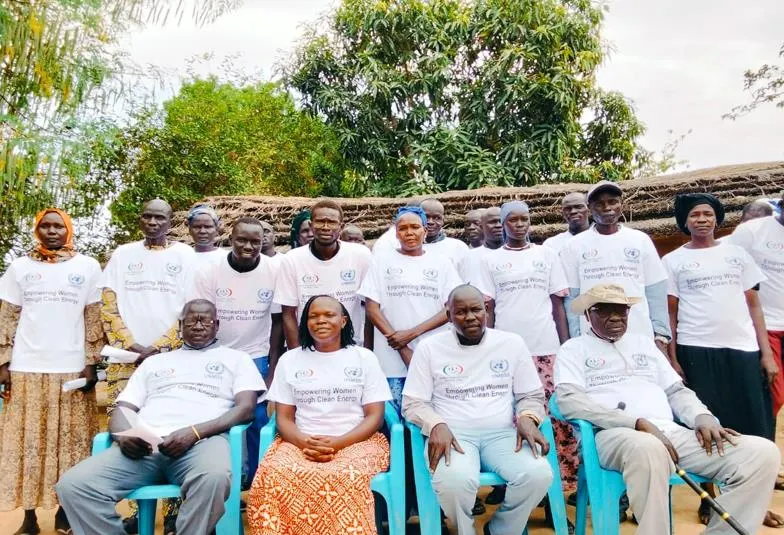
I-WIN brings together local authorities, traditional leaders, women’s groups, teachers, youth and civil society to tackle challenges that are too often treated separately: environmental degradation, protection risks for women and girls, limited livelihoods and community conflict.
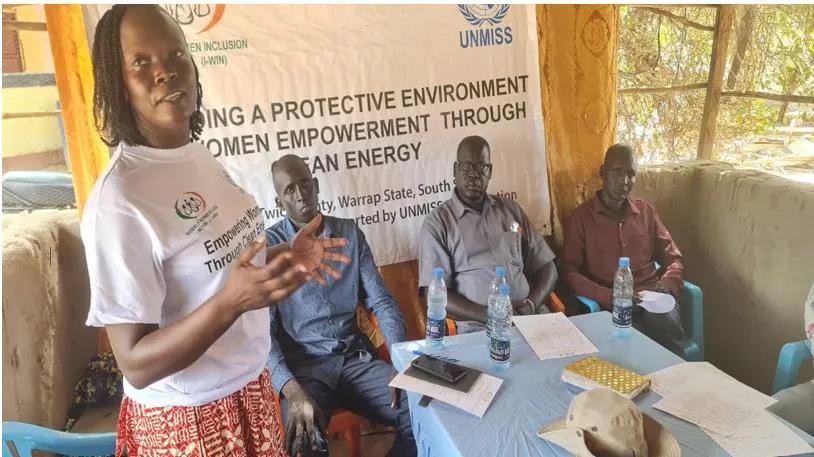
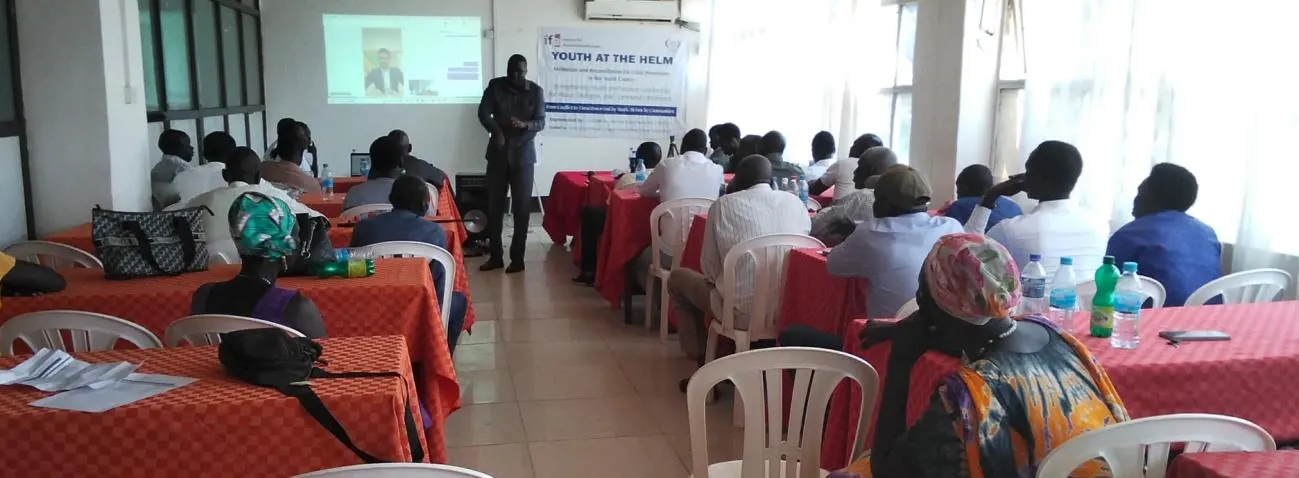
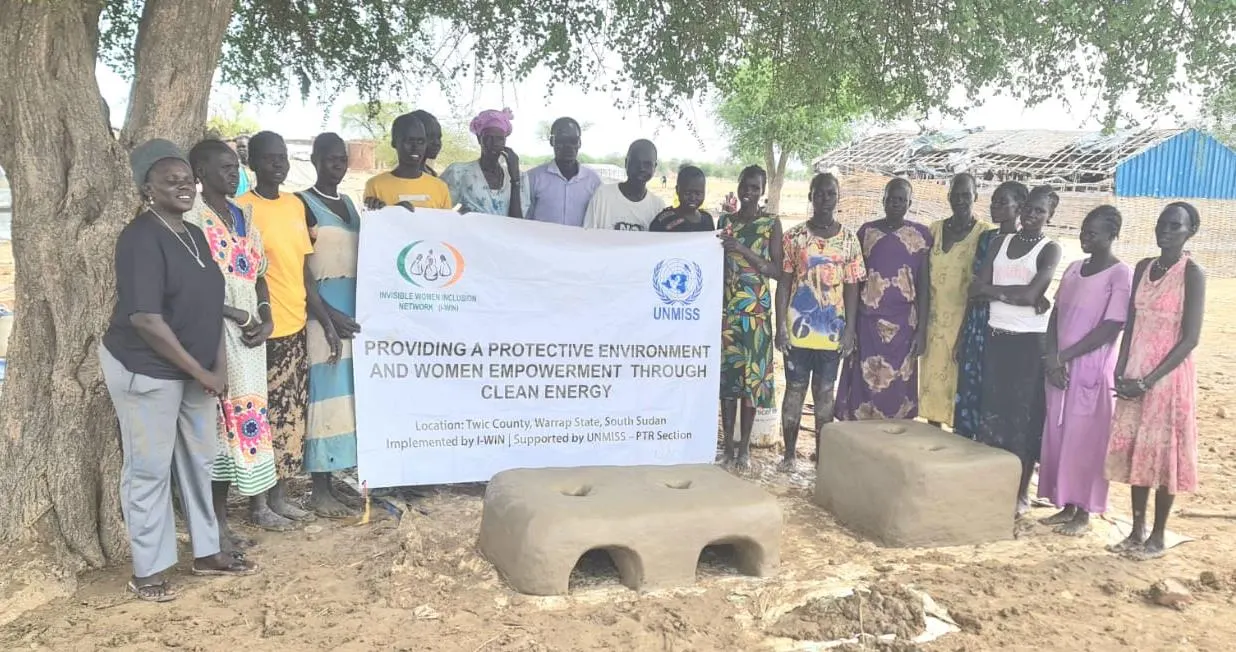
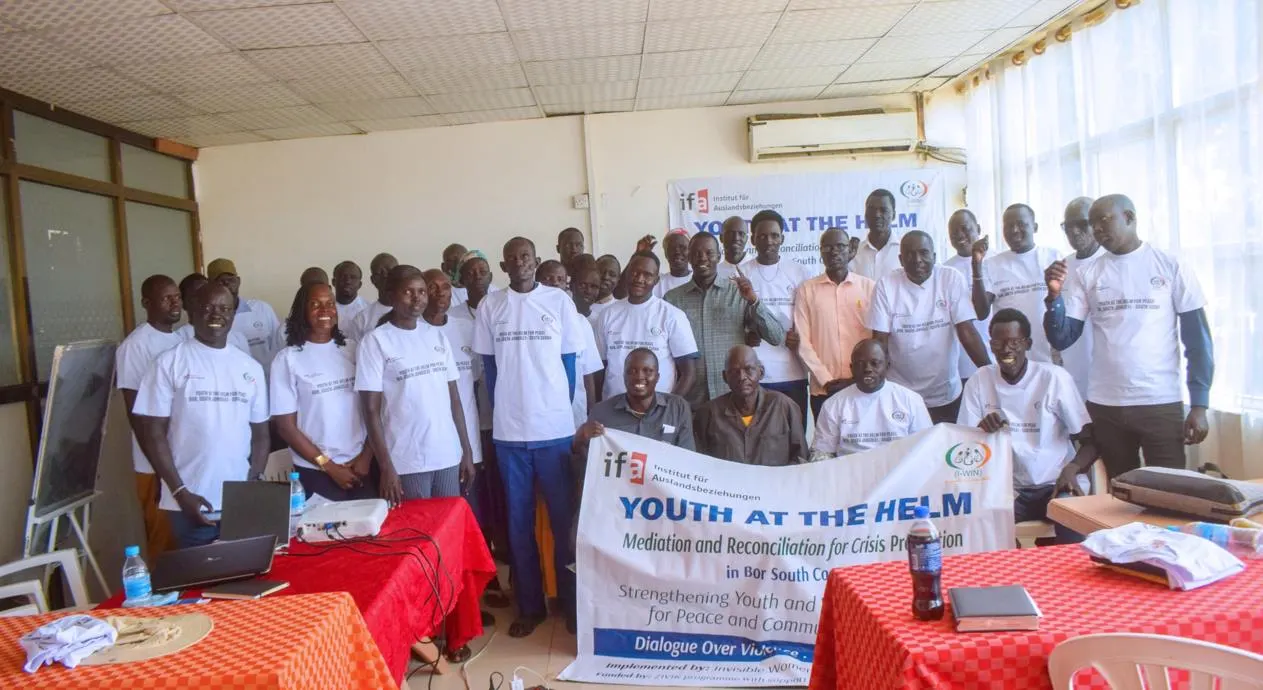
In 2026 we are delivering two flagship projects: a clean energy and reforestation initiative in Twic County, Warrap State, supported by UNMISS, and a youth mediation programme across six payams of Bor South County, Jonglei State, supported by ifa through the zivik Funding Programme with funding from the German Federal Foreign Office.
In every community, we start by listening, then build skills and local structures that keep working long after our teams have left.
Empowering Women. Protecting Communities. Building Lasting Peace.
How we work
Five principles behind every project
Drawn from our field experience in Twic County and Bor South County.
Community-led
Local authorities, traditional leaders, schools and women’s groups help shape and run each project, so results belong to the community.
Protection-sensitive
We design activities around the risks women and girls actually face, from fuelwood collection to exclusion from decisions.
Inclusive by design
Women, youth, returnees, displaced people, older persons and people with disabilities are deliberately brought to the table.
Evidence-based
Baseline assessments and community verification guide what we do first, and how we sequence what comes next.
Built to last
Committees, clubs and production groups give communities structures that keep working after a project closes.
Our approach
From listening to lasting change
-
01
Listen & assess
Baseline assessments and school or household verification show where the need is greatest.
-
02
Launch with stakeholders
Authorities, traditional leaders, women, youth and civil society agree roles and responsibilities.
-
03
Build skills
Practical training in mediation, stove production, enterprise and environmental stewardship.
-
04
Form local structures
Peace committees, production groups and Environmental Clubs carry the work forward.
-
05
Sustain & monitor
Follow-up, monitoring and technical partnerships help results endure.
Where we work
Rooted in Warrap and Jonglei States
Warrap State
Twic County
Clean energy, women’s livelihoods and school-based tree planting.
- Aweng Payam
- Turalei Payam
Jonglei State
Bor South County
Youth-led mediation, peace committees and early warning.
- Anyidi
- Baidit
- Bor Town
- Jalle
- Kolnyang
- Makuach
Partners & funders
Working with institutions that share our vision
UNMISS
United Nations Mission in South Sudan – Protection, Transition and Reintegration Section
ifa
Institut für Auslandsbeziehungen e.V. – zivik Funding Programme
German Federal Foreign Office
Funder of the Youth at the Helm project
Help us reach communities that are too often unseen.
Partner with I-WIN to protect women and girls, restore local environments and support young people building peace.