Our impact
Measuring what matters to the communities we serve
Results from the first reporting periods of our clean energy project in Twic County and our youth mediation project in Bor South County.
At a glance
Impact by the numbers
10
Schools & Environmental Clubs
6
Payams with peace programming
360
Baseline survey respondents
60
Peace committee representatives
186
Fuel-efficient stoves produced
1,450
Planting holes prepared
Clean Energy & Environment
Clean Energy for Women & Communities
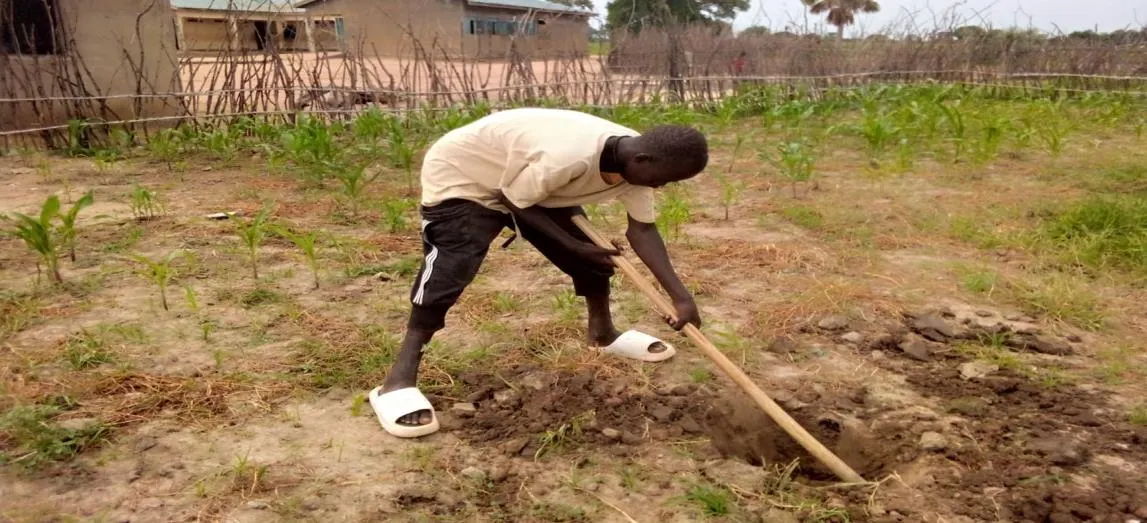
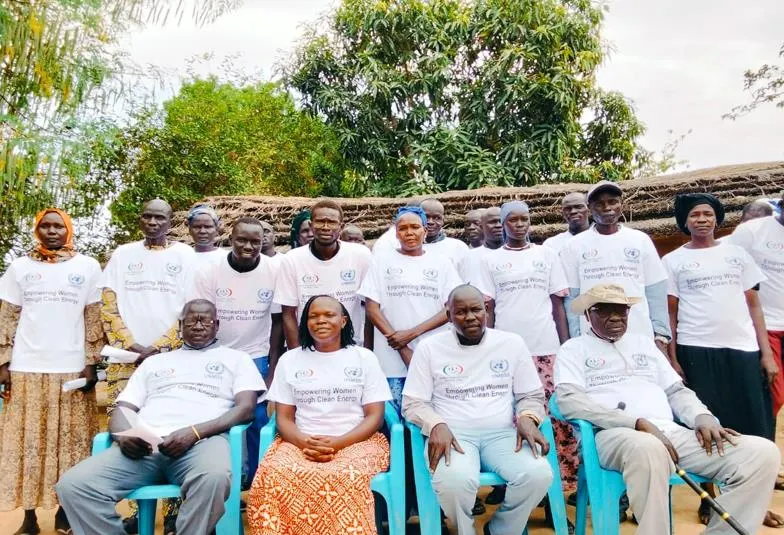
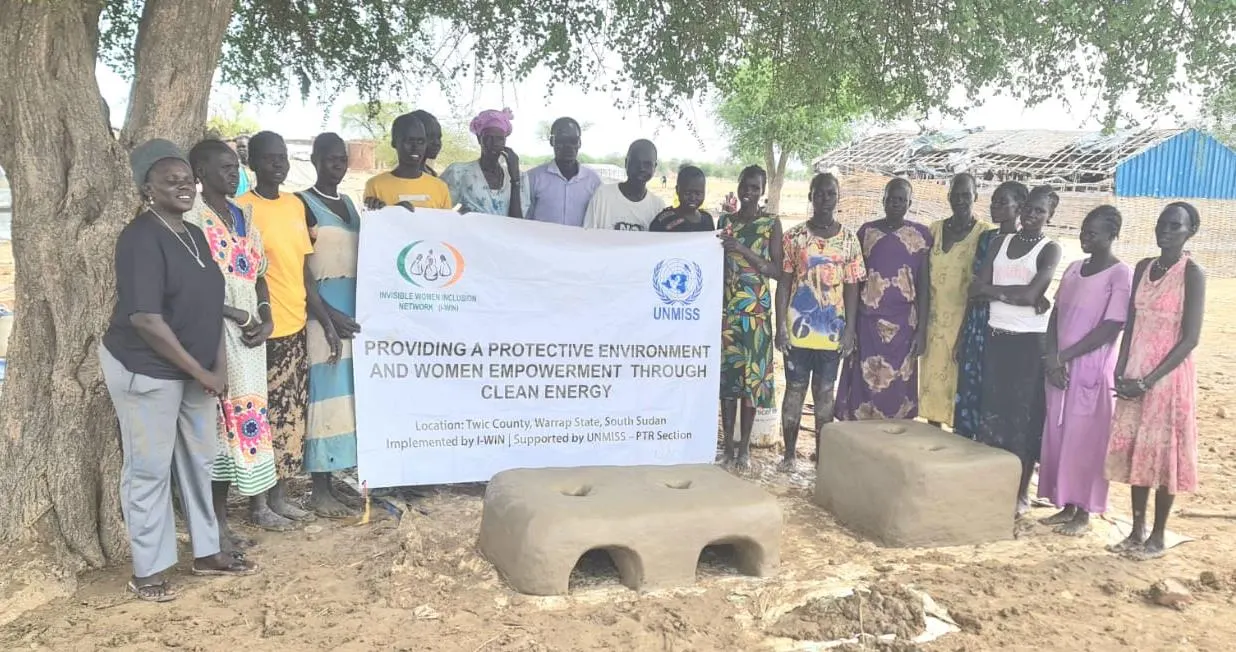
Over the four-month implementation period, the project established five women’s production groups, trained 100 women and girls in fuel-efficient stove production and entrepreneurship, identified and verified 200 vulnerable households, reached all ten targeted schools, strengthened ten Environmental Clubs and planted 1,000 trees across schools, host communities and IDP settlements.
- 5
- Women’s production groups established
- 100
- Women and girls trained in stove production
- 200
- Vulnerable households identified and verified
- 10
- Schools reached with Environmental Clubs
- 1,400+
- Tree seedlings procured
- 1,000
- Trees planted
Peacebuilding & Mediation
Youth at the Helm
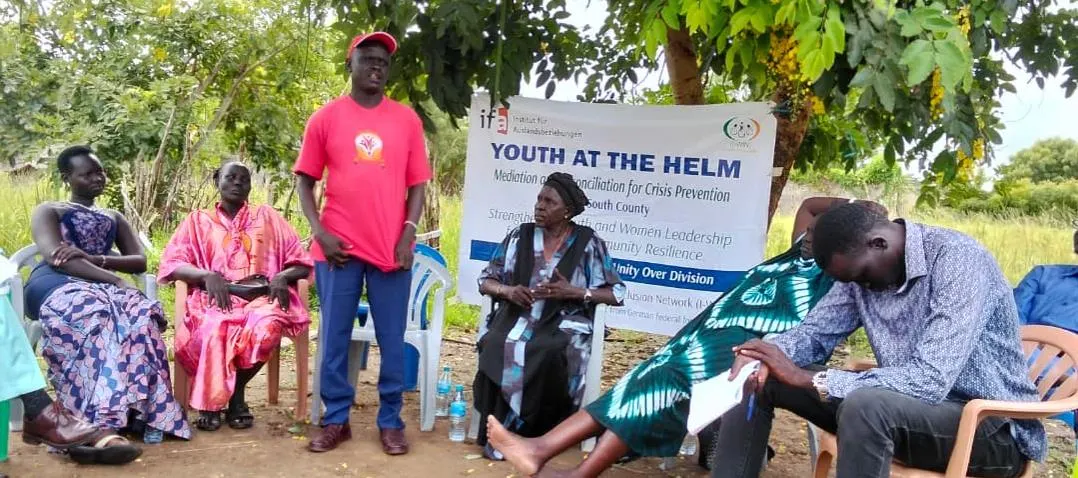
During the first two months of implementation, the project launched operations across all six target payams, completed a comprehensive baseline assessment covering 360 respondents, trained a full cohort of 80 youth mediators, and engaged 60 community representatives in the formation of local peace committees.
- 6
- Payams with active operations
- 360
- Respondents in the baseline assessment
- 80
- Youth mediators trained
- 60
- Community representatives engaged
- 2
- Intensive five-day training sessions
- 6
- Local peace committees being formed
Inclusion in action
Women at the heart of community decisions
At the Twic County launch, 29 of 50 stakeholders were women. In Bor South County, deliberate efforts are improving women's and youth representation in peace committees.
Stakeholder launch, Twic County, 17 April 2026
What the baseline told us
A 360-respondent baseline in Bor South County found that peace structures exist but face capacity, inclusiveness and coordination limits. The main drivers of tension are:
- Land disputes
- Water access
- Grazing routes
- Seasonal migration
Working in a challenging context
In Twic County, community structures drove progress despite several operating challenges:
- Seasonal flooding
- Poor road conditions
- Localized insecurity
- Shortages of certain materials and seedlings
Geography
Where our results are happening
Warrap State
Twic County
- Aweng Payam
- Turalei Payam
Jonglei State
Bor South County
- Anyidi
- Baidit
- Bor Town
- Jalle
- Kolnyang
- Makuach
Every number is a person, a household, a community.
Help us extend this work to more women, more young people and more villages.